
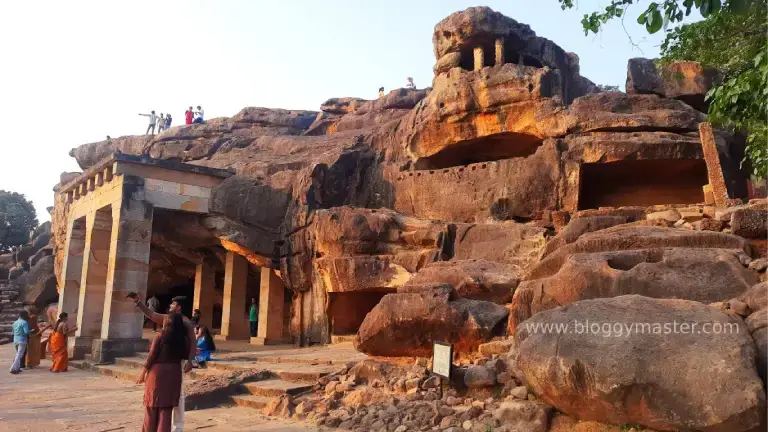
Udayagiri and Khandagiri Caves, Bhubaneswar – Complete Travel Guide, History & Visiting Tips
Address: 7Q7M+2V7, Khandagiri, Bhubaneswar, Odisha. Pincode: 751030
Recommended Duration: 4 Hours
Opens: 8:00 AM - 5:00 PM
Entry Fee: 25.00
Udayagiri and Khandagiri Caves are among the most important ancient rock‑cut cave complexes in India, located on the outskirts of Bhubaneswar, Odisha. These caves are a priceless legacy of Jain heritage and attract historians, pilgrims, and tourists from across the world. Known for their architectural beauty, inscriptions, and panoramic hilltop views, Udayagiri and Khandagiri together form one of the top historical attractions in Odisha.
Location
- City: Bhubaneswar, Odisha
- Distance from Bhubaneswar Railway Station: ~7 km
- Distance from Airport: ~6 km
History of Udayagiri and Khandagiri Caves
The Udayagiri and Khandagiri caves date back to the 1st century BCE, during the reign of the Mahameghavahana king Kharavela. These caves were primarily carved as residential shelters for Jain monks. The most famous inscription, the Hathigumpha Inscription at Udayagiri, provides valuable information about King Kharavela’s military conquests, administration, and religious tolerance.
Historically known as Kumari Parvat, these hills played a vital role in the spread of Jainism in eastern India. The caves reflect a harmonious blend of religious devotion and ancient Indian rock‑cut architecture.
Udayagiri Caves – Major Attractions
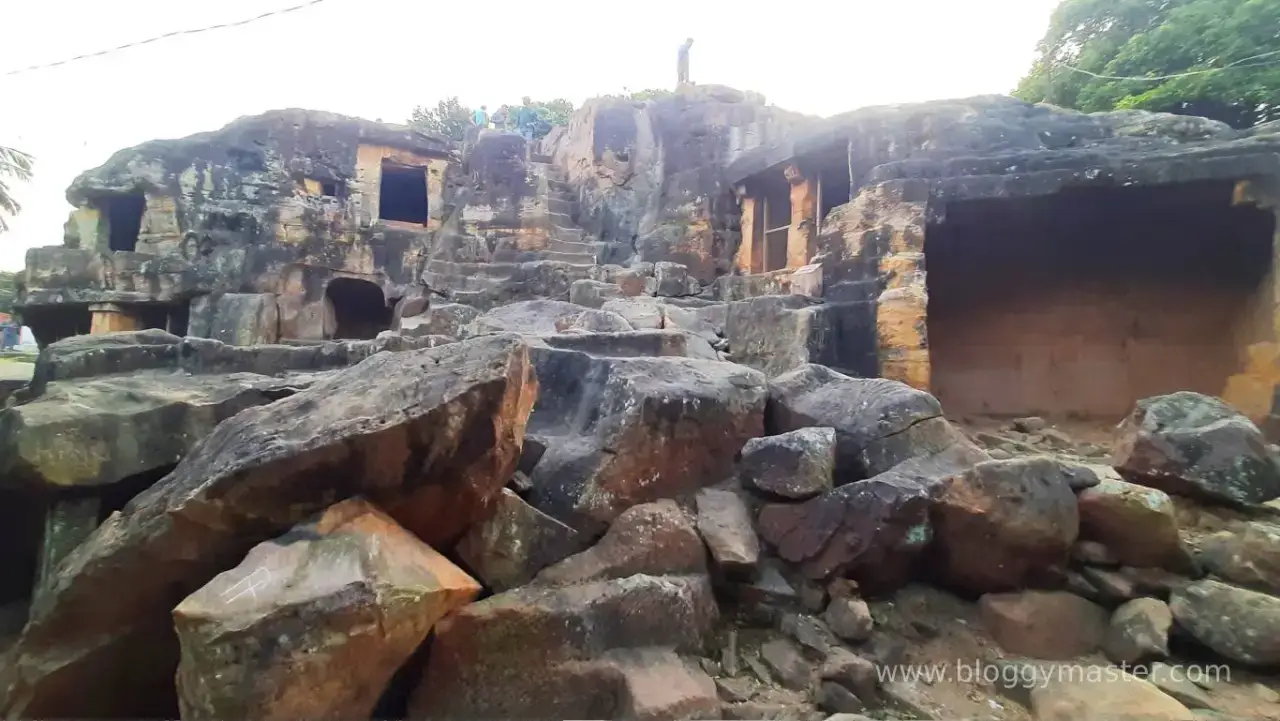
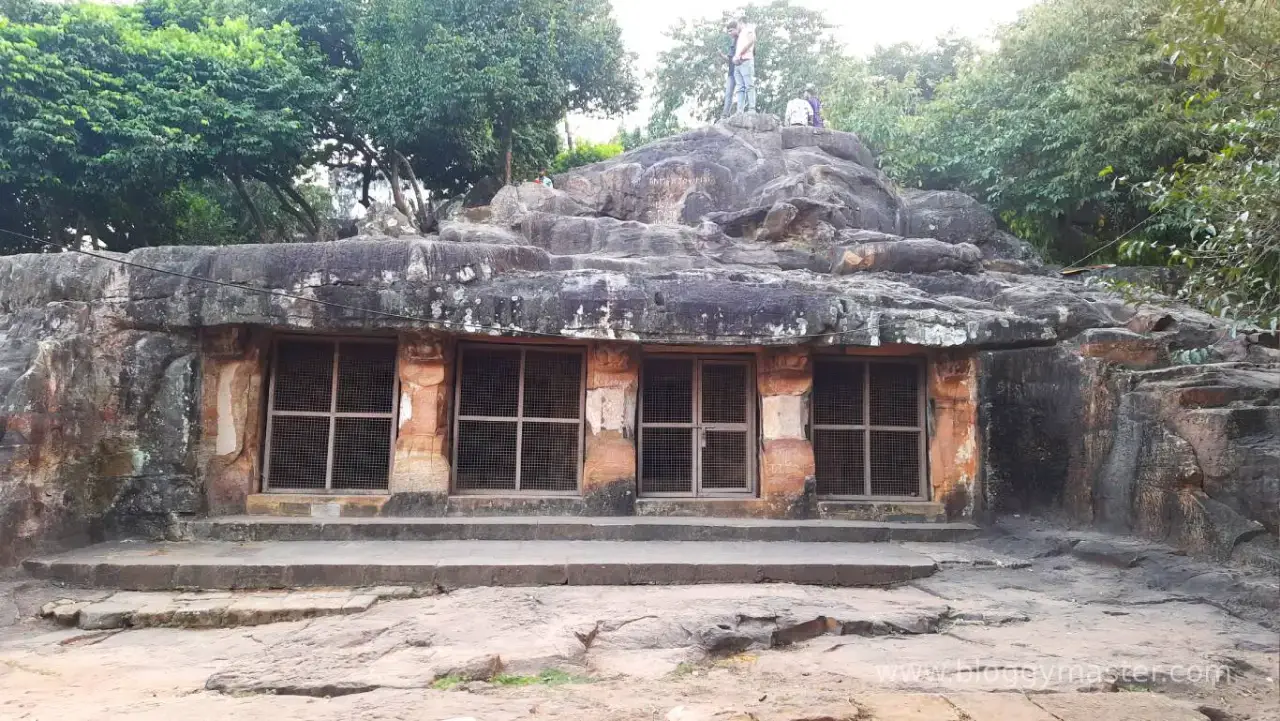
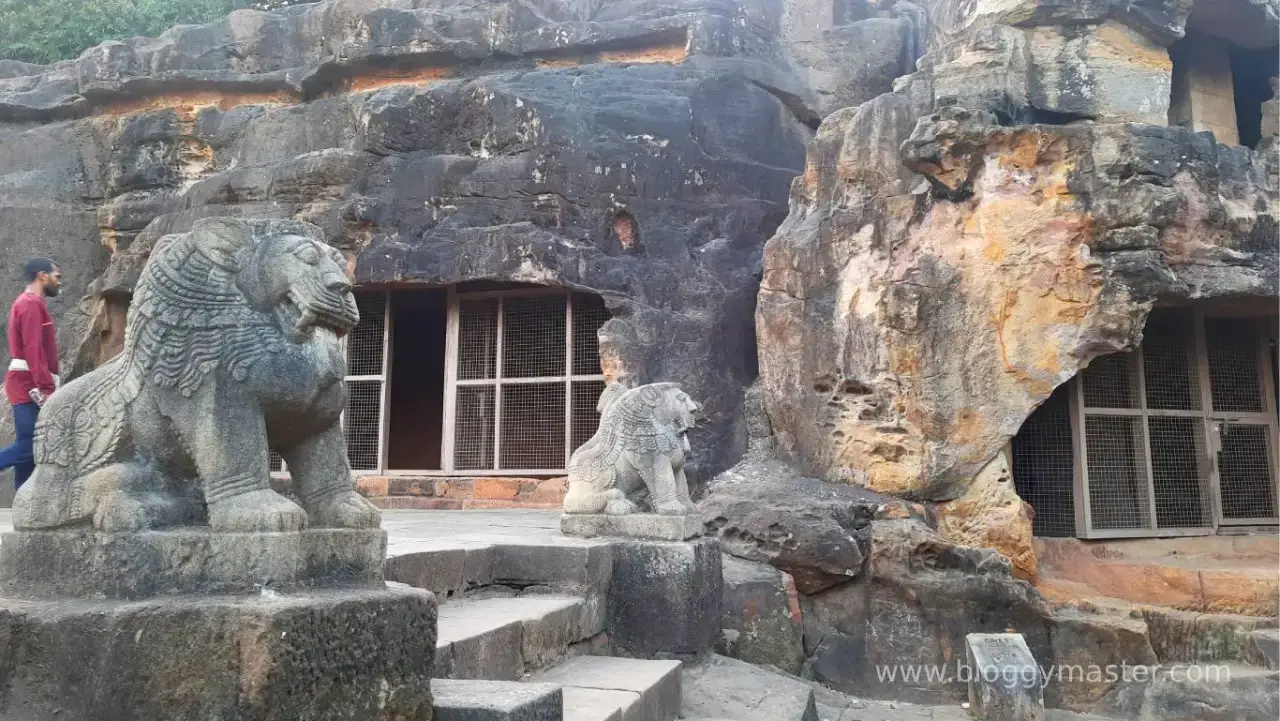
Udayagiri, meaning “Hill of the Sunrise,” contains 18 caves and is the larger of the two hills. Some of the most important caves include:
Highlights:
- Hathigumpha Cave – Famous for the Hathigumpha inscription of King Kharavela
- Rani Gumpha (Queen’s Cave) – The largest and most ornate cave with beautiful sculptures
- Ganesh Gumpha – Known for Jain reliefs and inscriptions
- Vyaghra Gumpha (Tiger Cave) – Features a tiger‑shaped entrance
These caves are richly decorated with carvings depicting royal processions, religious scenes, and daily life of ancient India.
Khandagiri Caves – Major Attractions
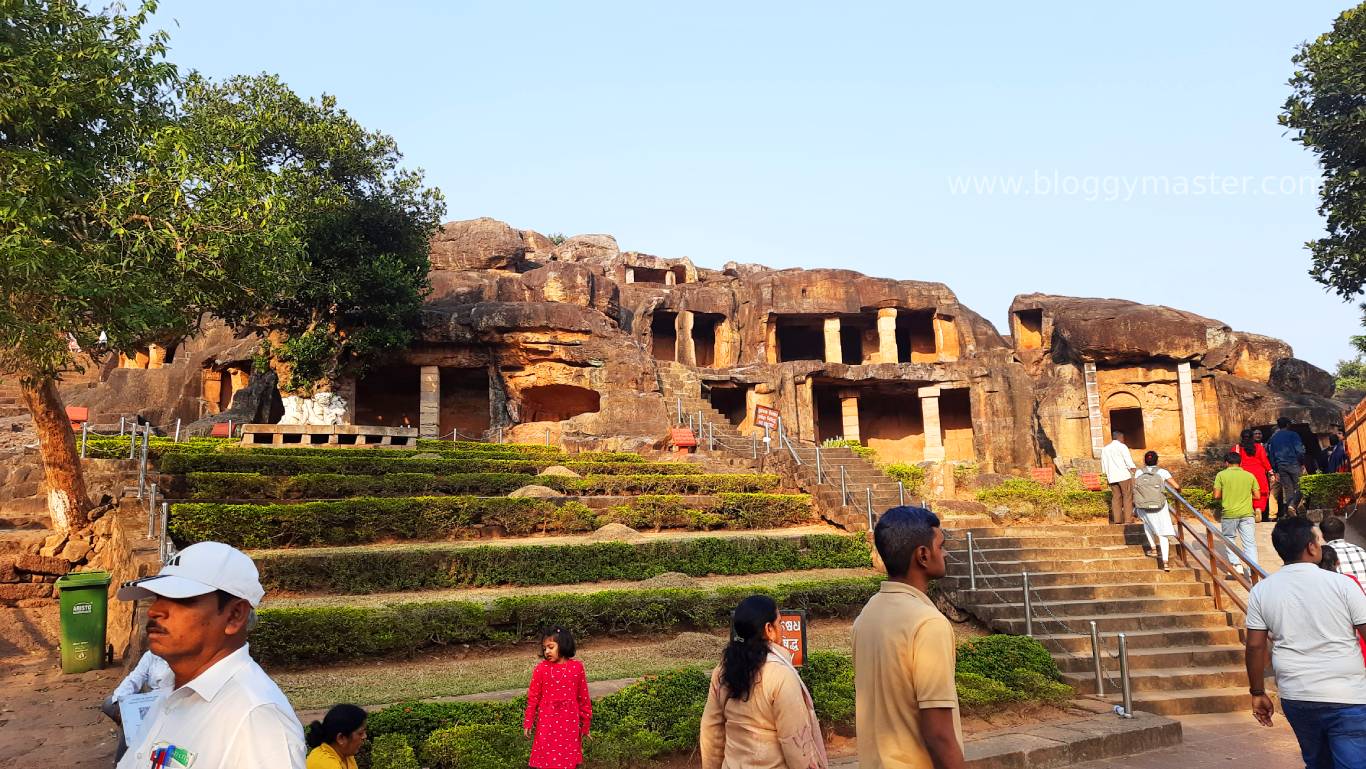
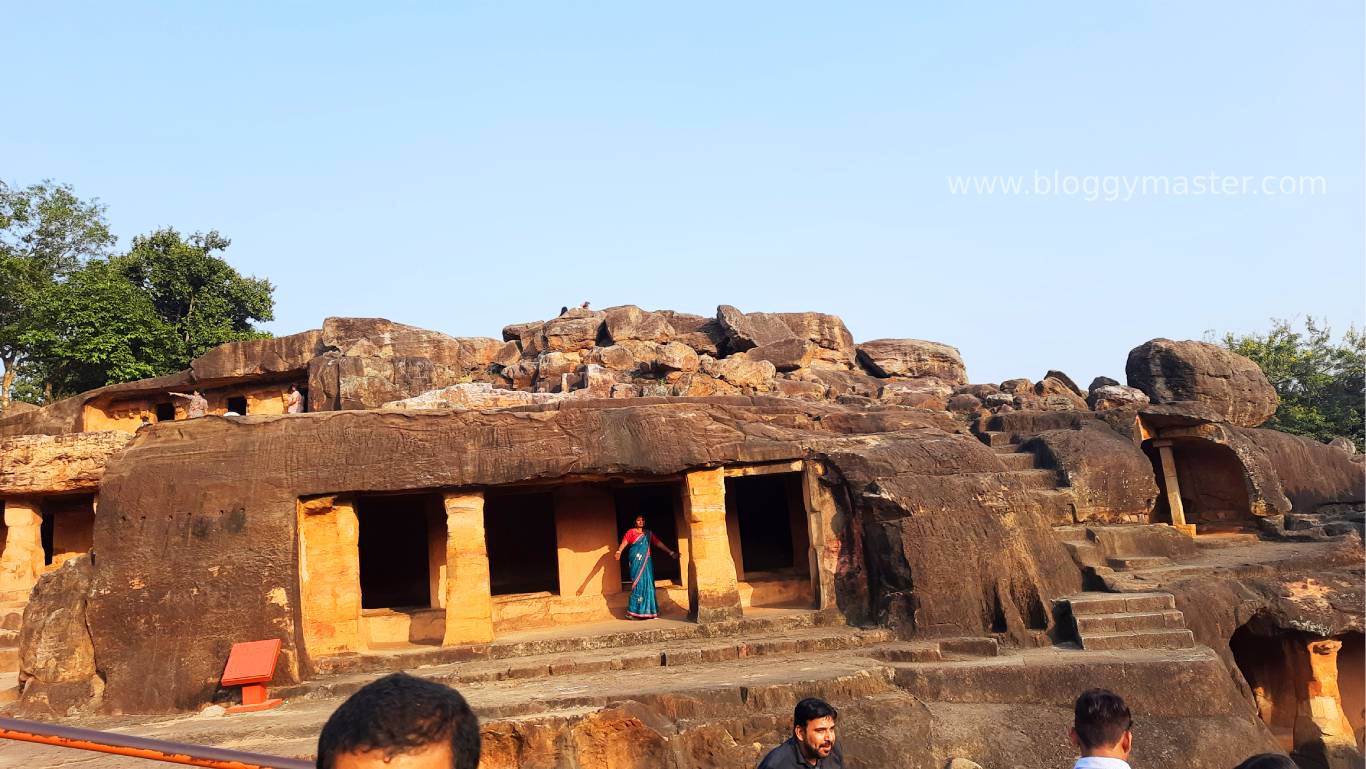
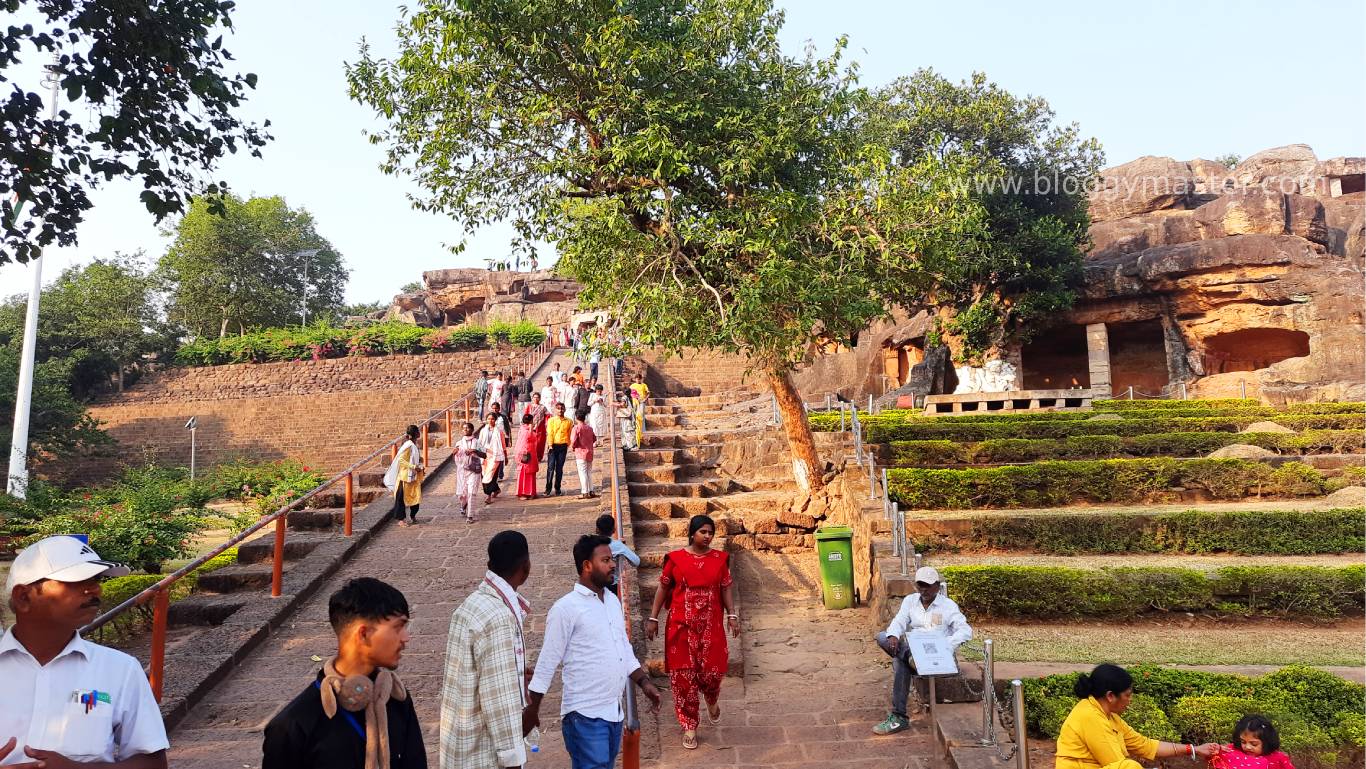
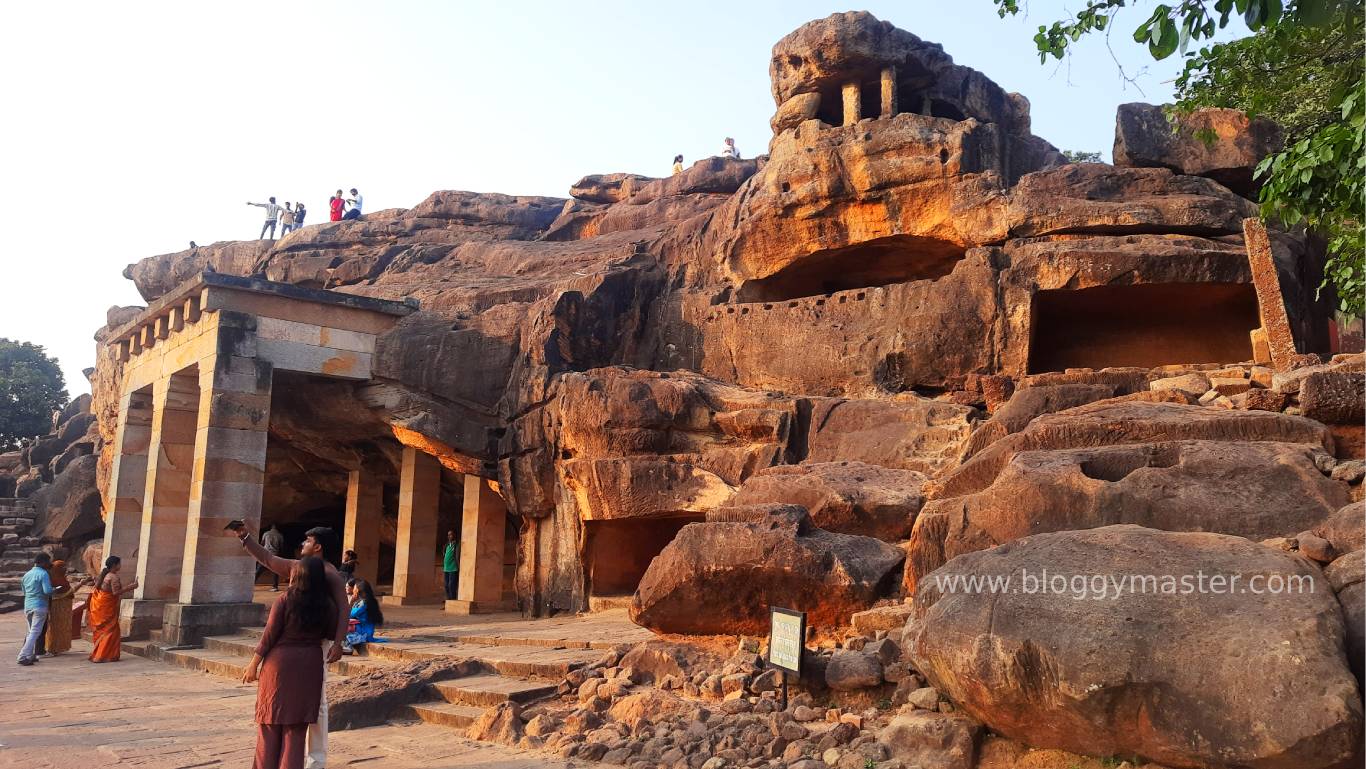
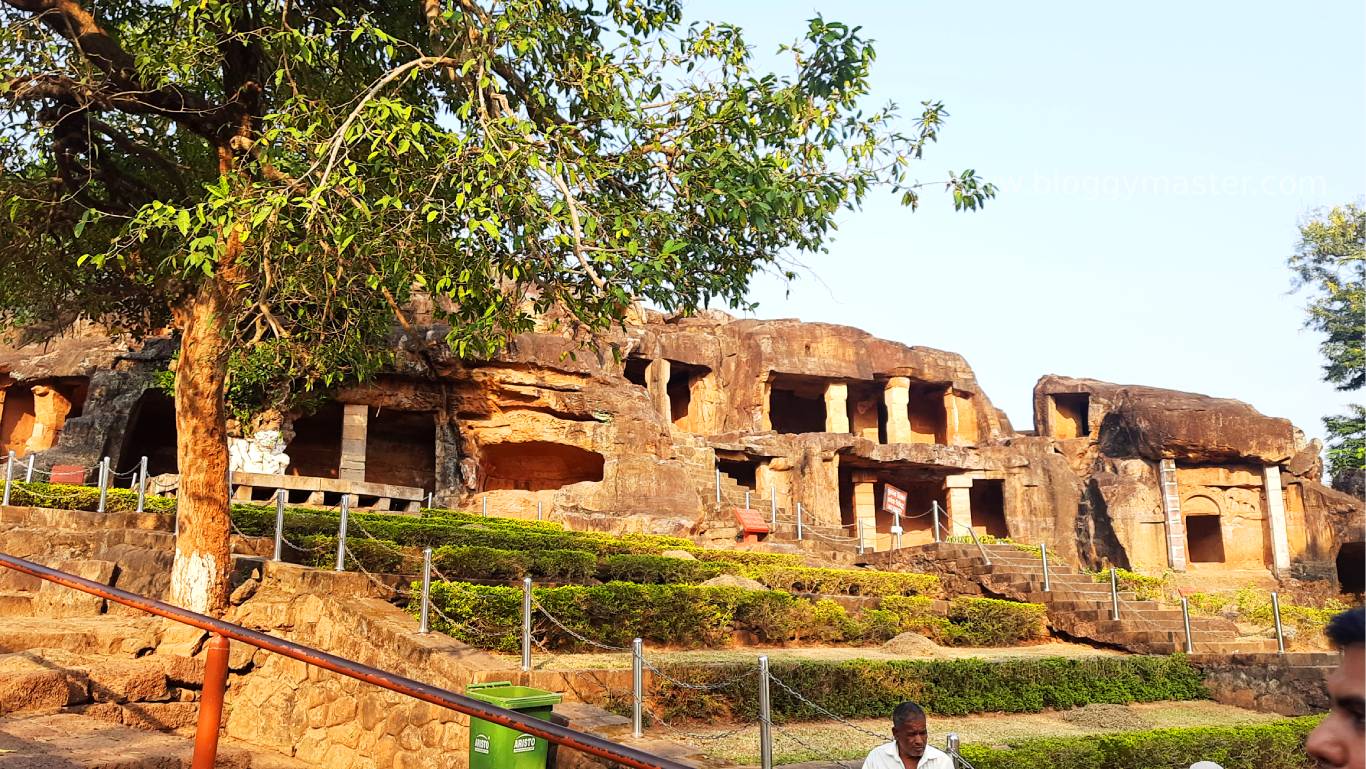
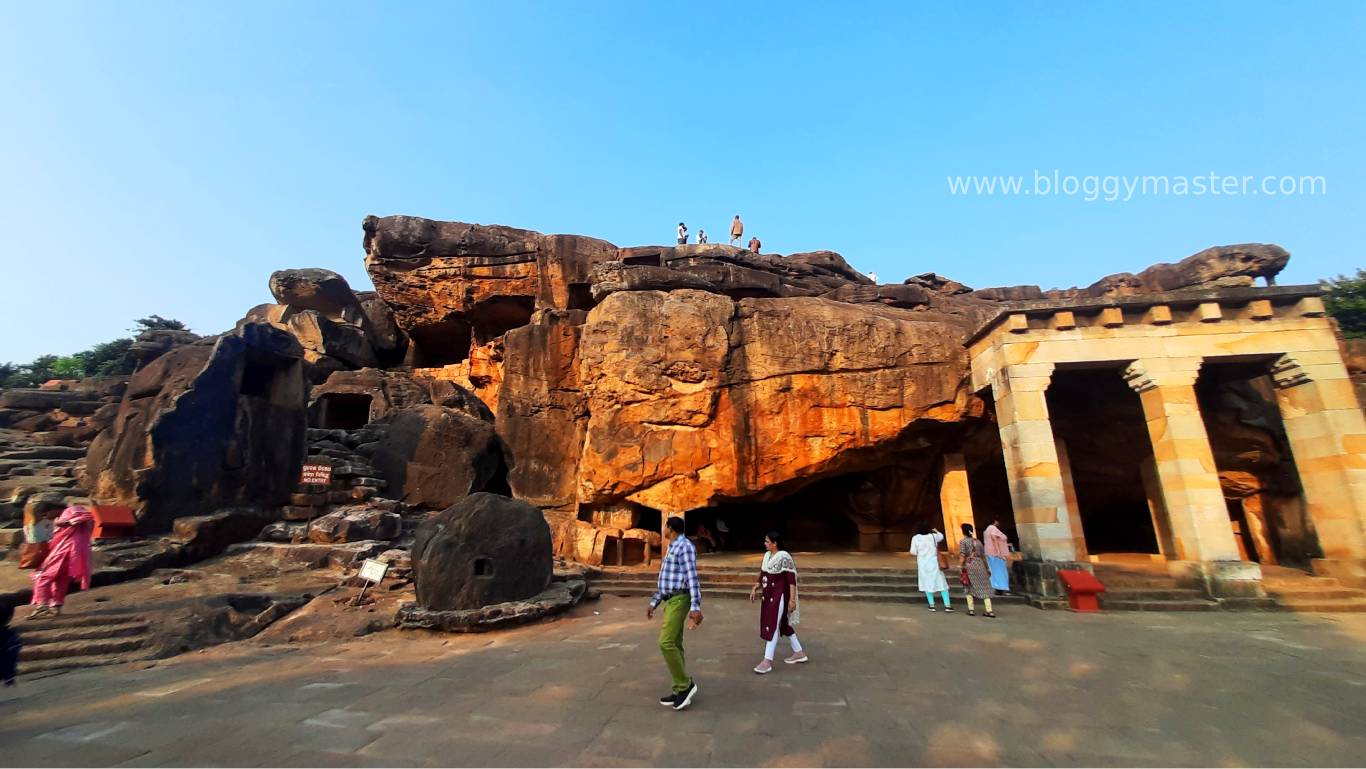
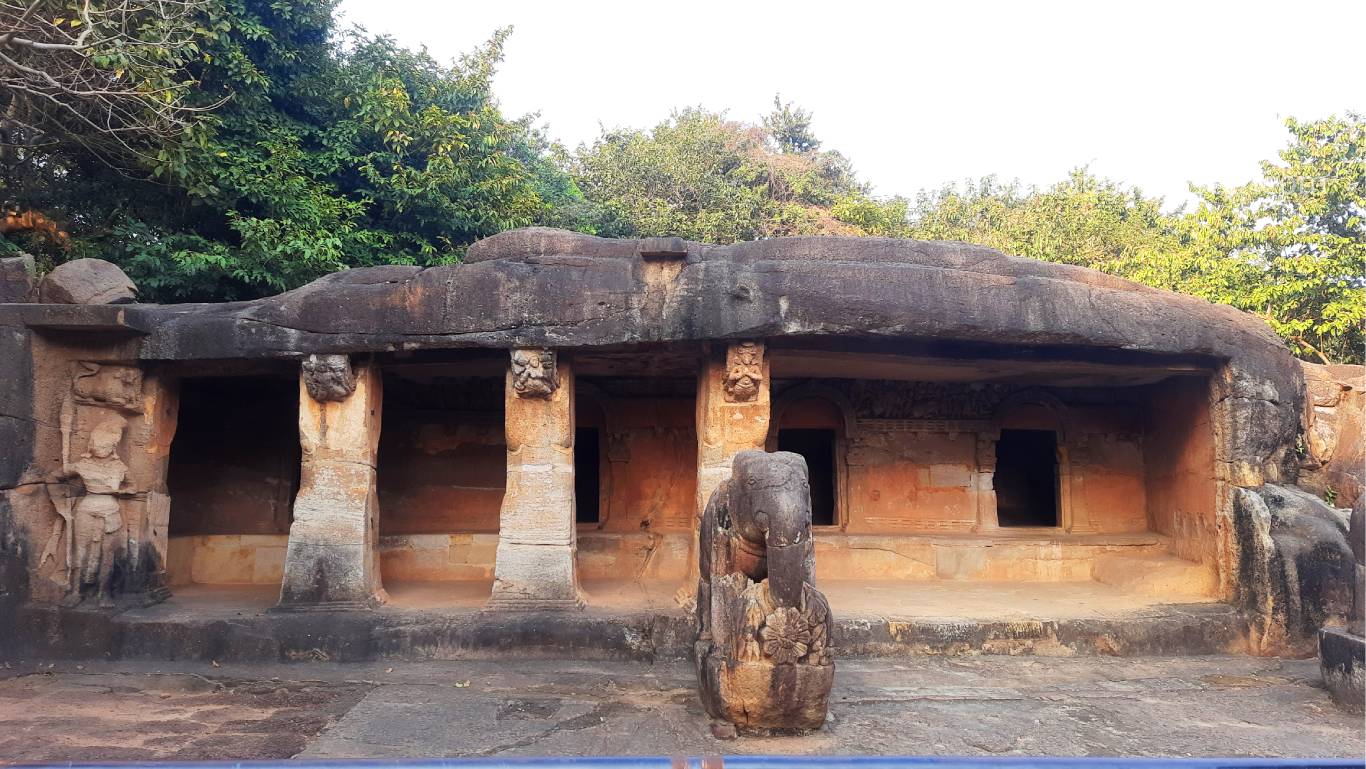
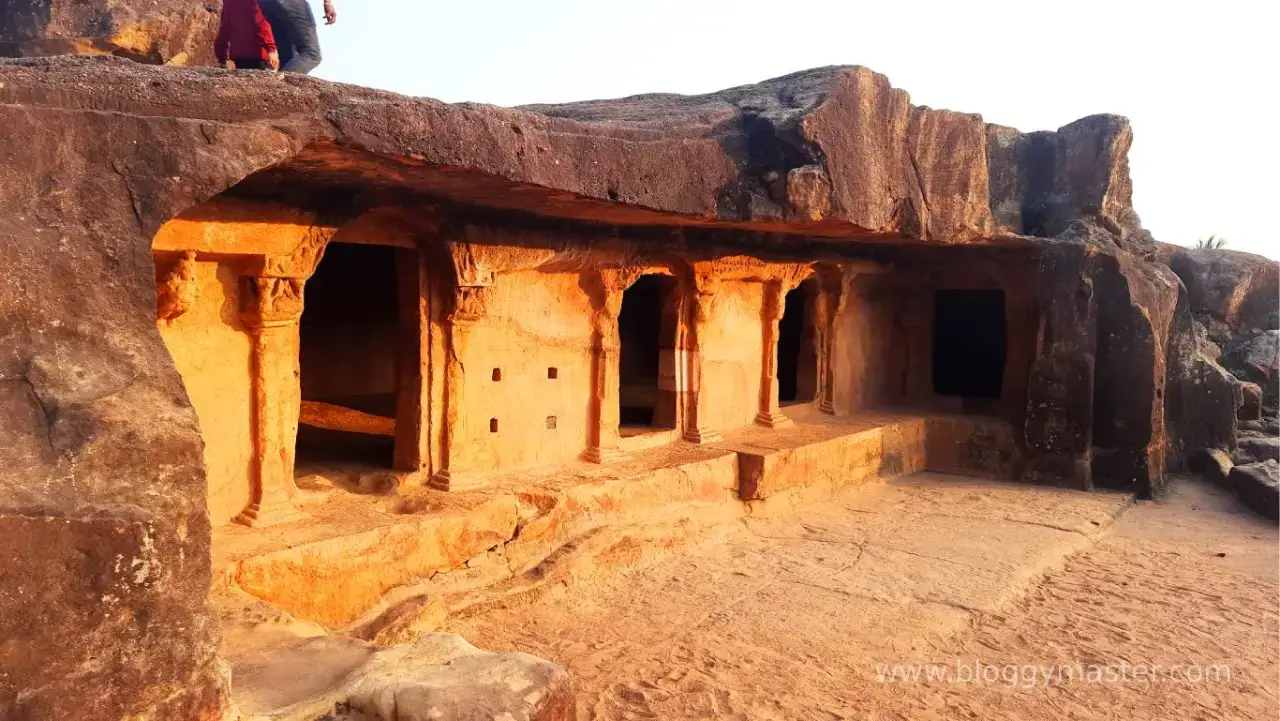
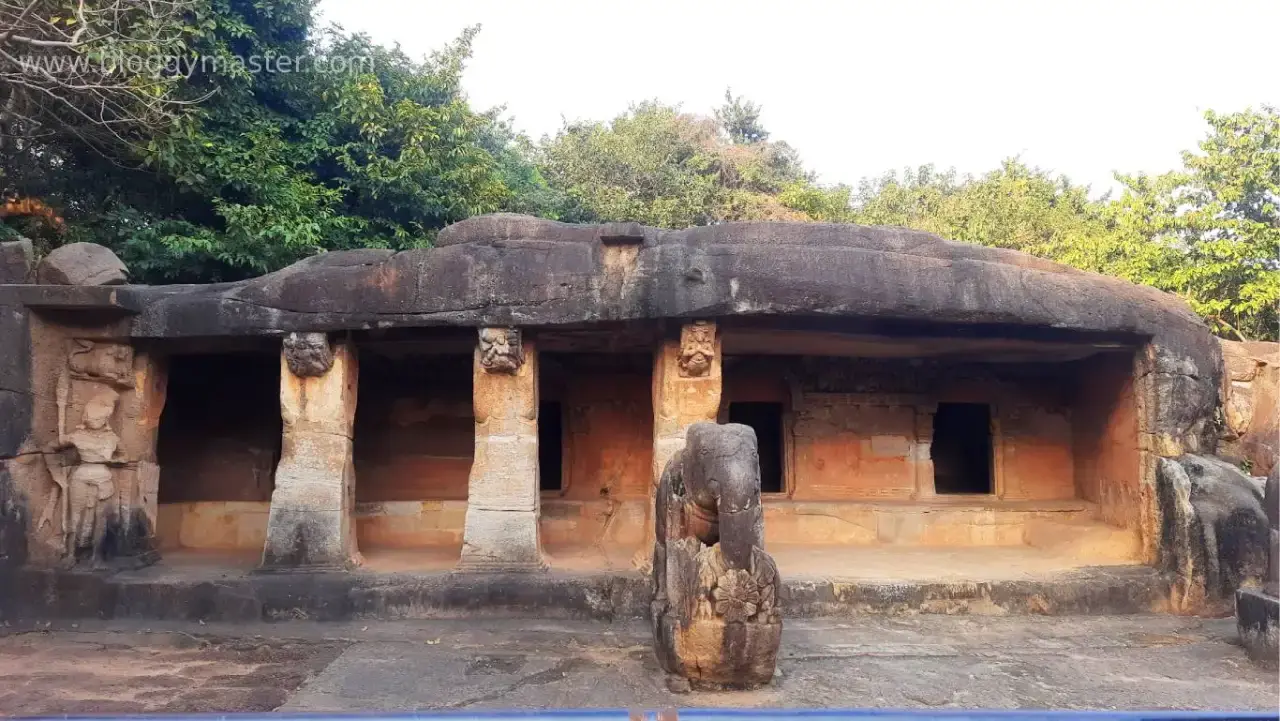
Khandagiri, meaning “Broken Hill,” houses 15 caves and offers excellent views of Bhubaneswar city. Important caves include:
Highlights:
- Ananta Gumpha – Dedicated to Jain Tirthankaras
- Tatowa Gumpha – Contains inscriptions and parrot‑shaped carvings
- Navamuni Gumpha – Associated with Jain monks and ascetics
Compared to Udayagiri, the Khandagiri caves are simpler but spiritually significant.
Architectural and Religious Significance
The Udayagiri and Khandagiri caves represent early examples of Indian rock‑cut architecture. Unlike later Buddhist caves, these Jain caves were designed mainly for meditation and monastic living. The sculptures and inscriptions highlight the prominence of Jainism in ancient Odisha and showcase the artistic excellence of the period.
Udayagiri and Khandagiri Timings
Open: Daily, Timings: 8:00 AM – 5:00 PM
| Days | Timings |
|---|---|
| Monday | 08:00 AM – 05:00 PM |
| Tuesday | 08:00 AM – 05:00 PM |
| Wednesday | 08:00 AM – 05:00 PM |
| Thursday | 08:00 AM – 05:00 PM |
| Friday | 08:00 AM – 05:00 PM |
| Saturday | 08:00 AM – 05:00 PM |
| Sunday | 08:00 AM – 05:00 PM |
Udayagiri and Khandagiri Entry Fee
Best Time to Visit: October to March
- Indians: ₹25
- Foreign Tourists: ₹200
- Children below 15 years: Free
Best Time to Visit Udayagiri and Khandagiri
The ideal time to visit Udayagiri and Khandagiri caves is during the winter months from October to March, when the weather in Bhubaneswar is pleasant. Early morning or late afternoon visits are recommended to avoid heat and crowds.
How to Reach Udayagiri and Khandagiri Caves
By Air
Biju Patnaik International Airport, Bhubaneswar, is about 7 km away.
By Train
Bhubaneswar Railway Station is approximately 6 km from the caves.
By Road
The caves are well connected by local buses, taxis, and auto‑rickshaws from anywhere in Bhubaneswar.
Visitor Tips
- Wear comfortable shoes as climbing is required
- Carry water, especially during summer
- Photography is allowed, but drones are prohibited
- Respect the religious and historical significance of the site
Best Time for Photography
- 🌅 Early morning – soft natural light
- 🌇 Late afternoon – golden hour views
- ☁️ Winter season – clear skies and pleasant weather
Nearby Tourist Attractions
While visiting Udayagiri and Khandagiri, you can also explore:
- Lingaraj Temple – One of the oldest temples in Bhubaneswar
- Dhauli Shanti Stupa – Famous for Ashoka’s Kalinga War inscription
- Nandankanan Zoological Park
- Odisha State Museum
- Jagannath Temple Puri
Why Udayagiri and Khandagiri Are a Must‑Visit
The Udayagiri and Khandagiri caves are not just historical monuments but living testimonies of ancient Indian civilization, Jain philosophy, and artistic brilliance. Whether you are a history lover, spiritual seeker, or travel enthusiast, these caves offer an enriching and unforgettable experience.
FAQs about Udayagiri and Khandagiri Caves
Q1. Who built Udayagiri and Khandagiri caves?
They were built during the reign of King Kharavela in the 1st century BCE.
Q2. How many caves are there in Udayagiri and Khandagiri?
There are a total of 33 caves – 18 in Udayagiri and 15 in Khandagiri.
Q3. Are Udayagiri and Khandagiri caves UNESCO sites?
No, they are not UNESCO World Heritage Sites, but they are protected monuments under the Archaeological Survey of India.
You Might Also Like

Infant Darshan at Tirumala 2026 – Complete Guide for Parents With Babies Below 1 Year
Badrinath Dham Travel Guide 2026 – Complete Darshan, Route, Weather, Hotels, Registration & Yatra Tips
Golden Pagoda Namsai Travel Guide 2026 – Complete Arunachal Pradesh Buddhist Temple Guide

Tawang Monastery Travel Guide 2026 – India’s Largest Buddhist Monastery in Arunachal Pradesh






POST A COMMENT